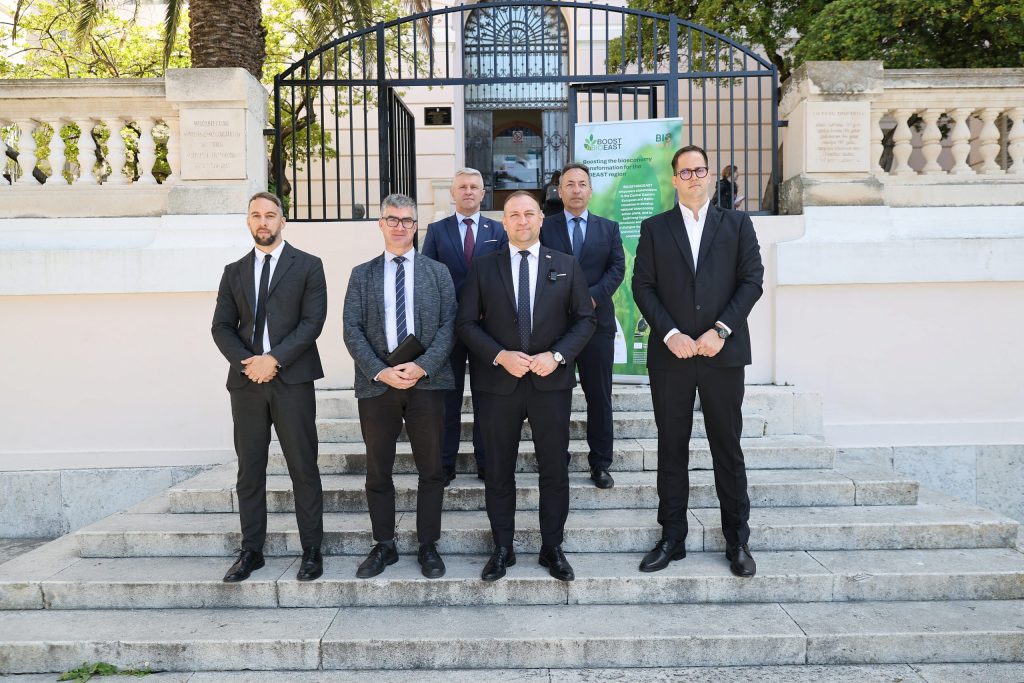
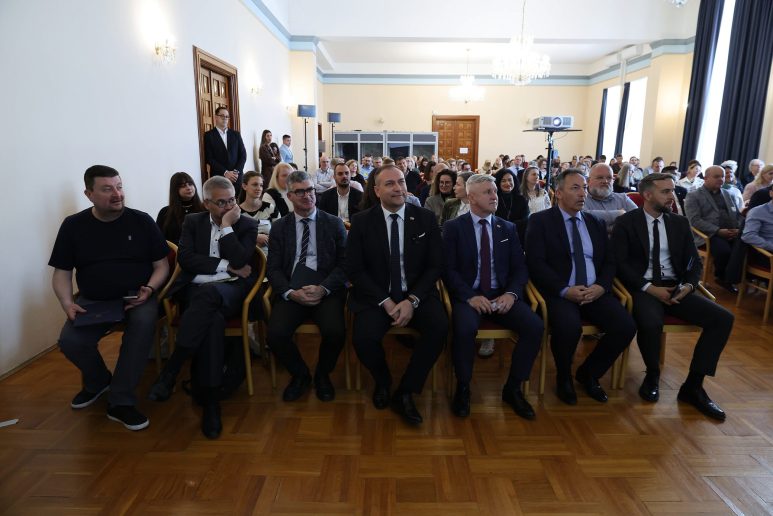
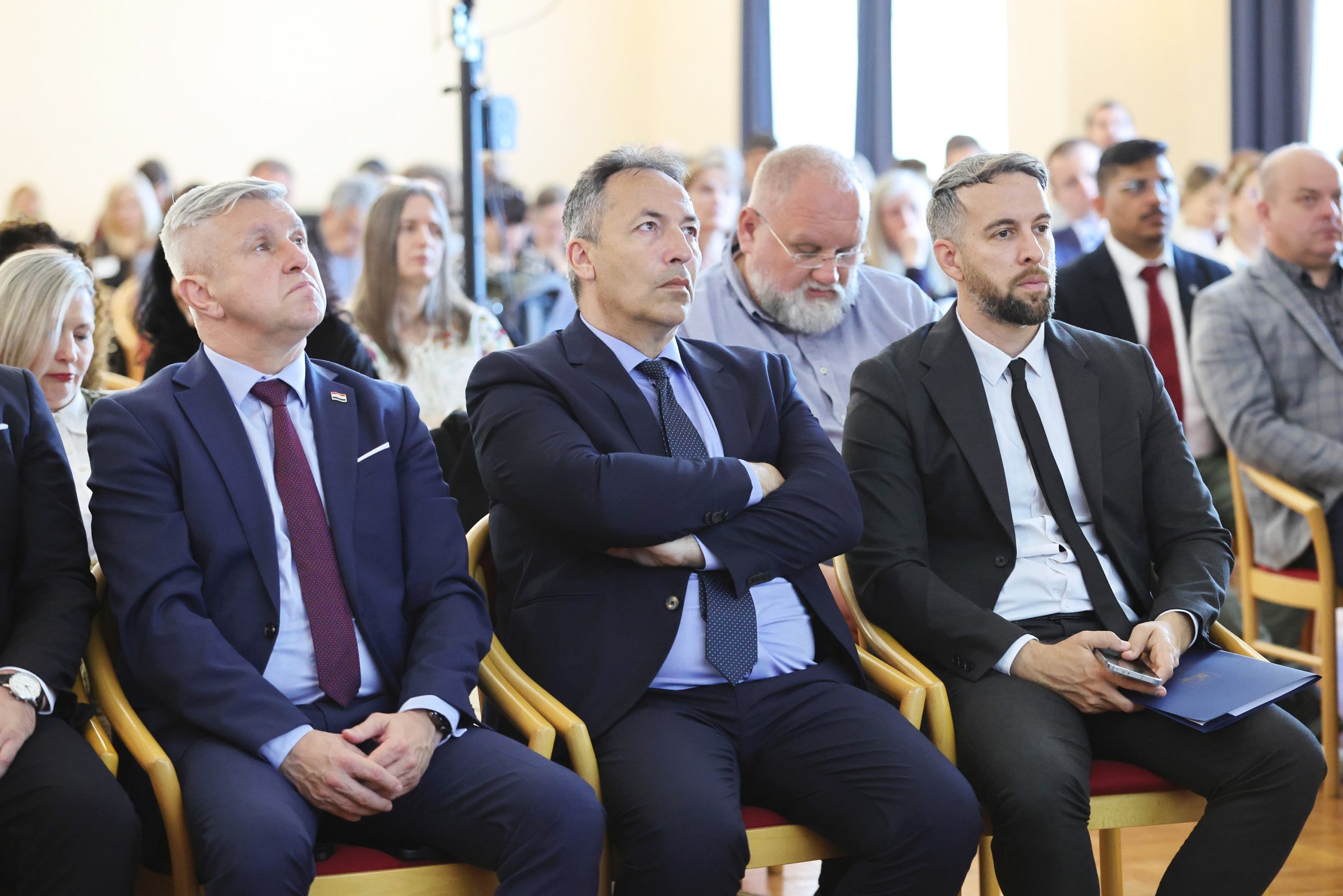
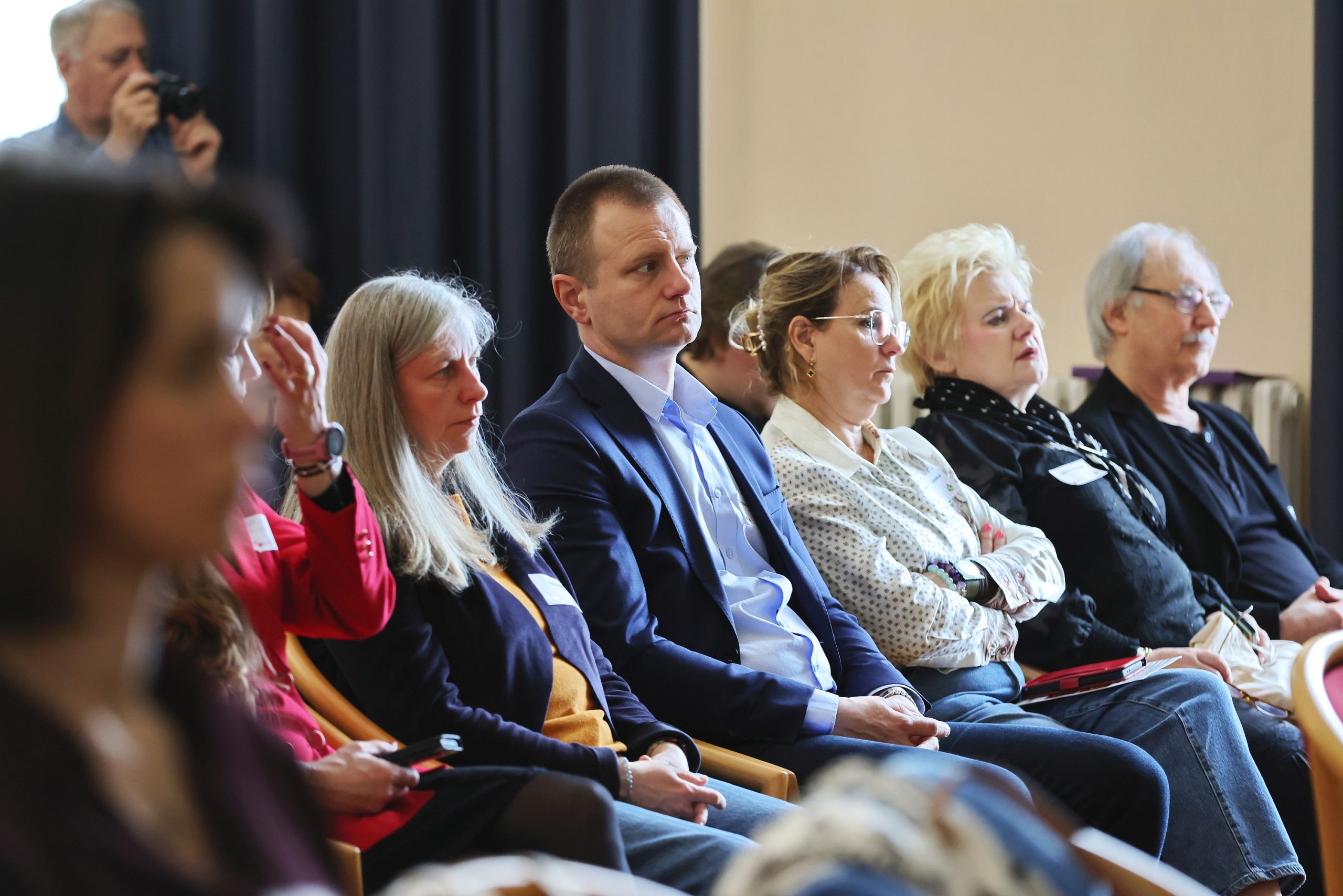
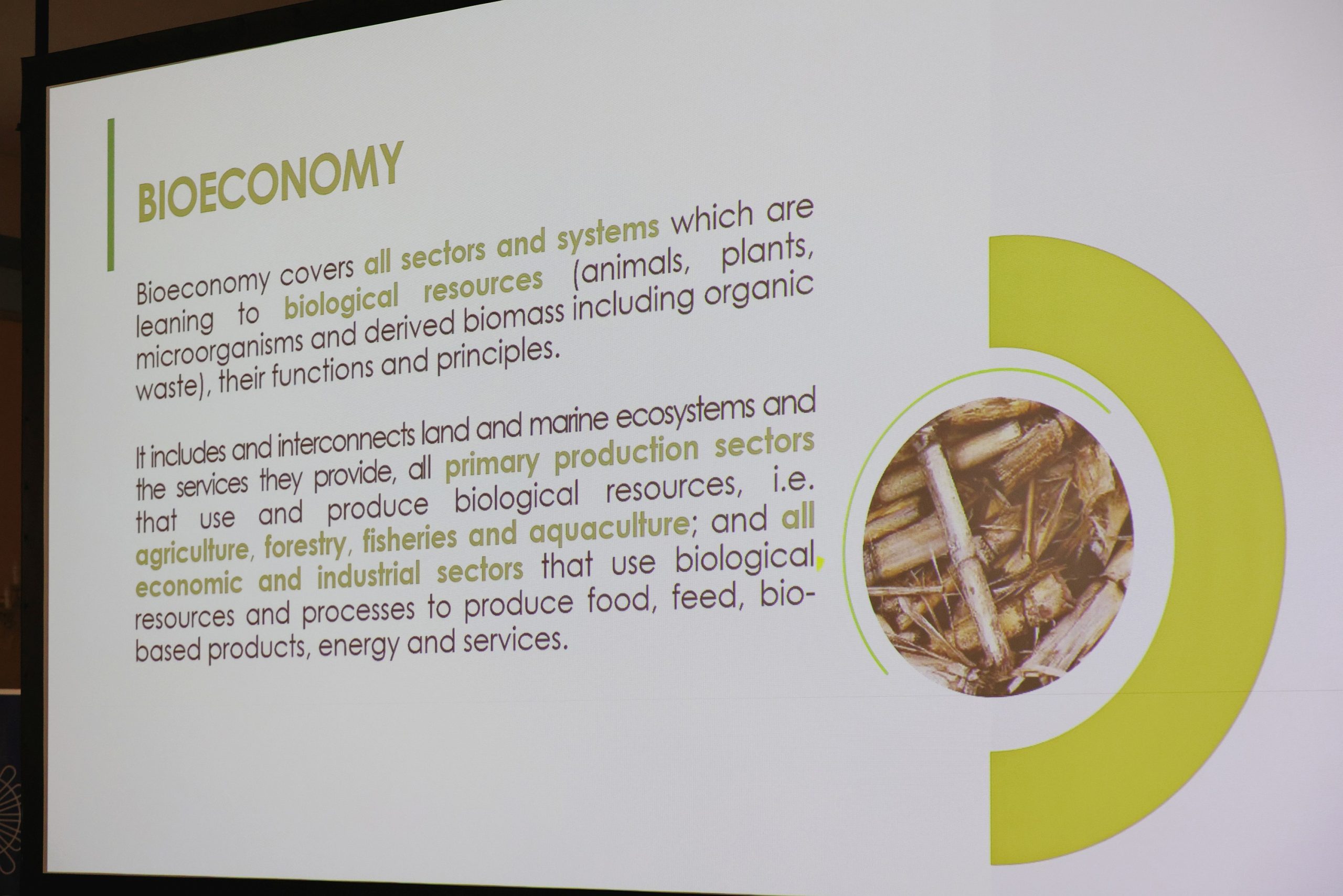
The international BIOEAST conference on bioeconomy 2026 was held in the ceremonial hall of the University of Zadar on Wednesday, April 22, as part of the BIOEAST initiative, organized by the Energy Institute Hrvoje Požar and the University of Zadar, with the partner support of the Ministry of Agriculture, Forestry and Fisheries. This year's edition was held on the theme "From strategy to performance: inclusive decision-making in national action plans for the bioeconomy", and gathered more than 150 participants, high-ranking guests, European officials and key stakeholders from the field of bioeconomy, with the aim of strengthening cooperation and harmonizing research and innovation activities in Central and Eastern Europe with EU policies.
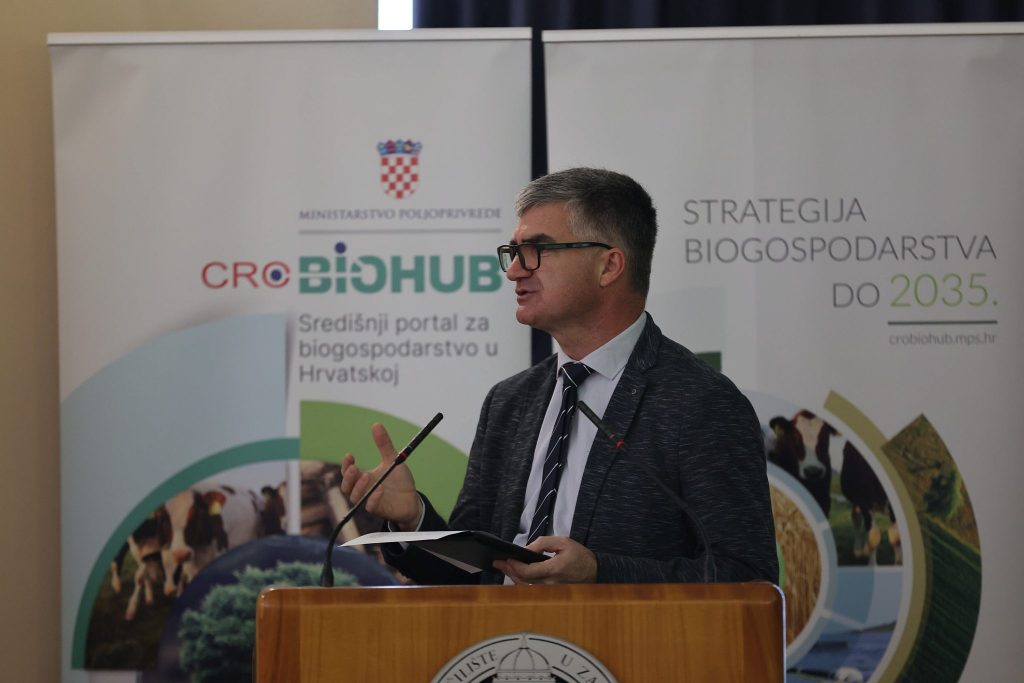
Participants were welcomed by prof. dr. sc. Josip Faričić, Rector of the University of Zadar, who emphasized that hosting the BIOEAST Bioeconomy Conference 2026 is both an honor and an opportunity to gather researchers, policymakers, innovators, and other stakeholders dedicated to advancing the bioeconomy in Central and Eastern Europe. “One of the most important challenges we face today is achieving a balance between the demands of socioeconomic development and prosperity on the one hand, and the necessity of environmental protection on the other. This is why the theme of this year’s conference is both timely and highly relevant. The efforts of the BIOEAST Initiative and the BOOST4BIOEAST project have demonstrated the importance of coordinated, participatory approaches to addressing complex challenges such as climate change, food security, and efficient resource management. The development of national bioeconomy action plans in BIOEAST countries represents a significant step toward a more sustainable and resilient future,” Rector Faričić highlighted.
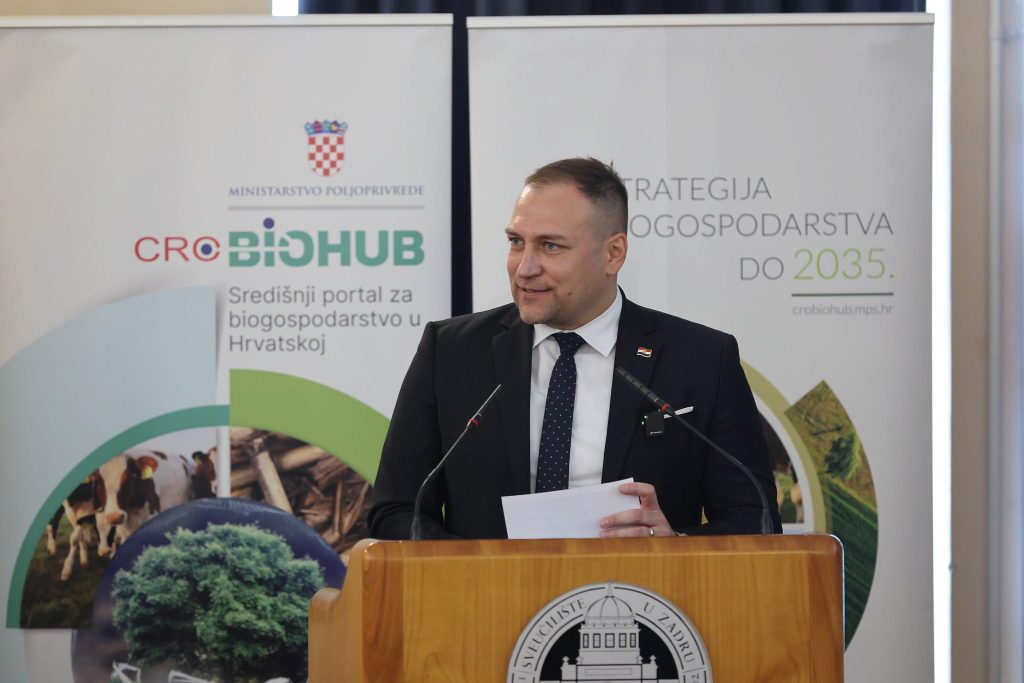
The Minister of Agriculture, Forestry and Fisheries David Vlajčić, also addressed the participants, noting that the bioeconomy is becoming an increasingly relevant topic not only for researchers and innovators, but also for entrepreneurs and the wider public. “The bioeconomy is gradually being recognized as a new way of life and as a development concept for society and the economy—one based on renewable biological resources rather than non-renewable fossil resources and their derivatives. Croatia has significant potential for further growth in terms of the economic value of the bioeconomy. Our advantage lies in a strong raw material base, from agriculture and forestry to fisheries and aquaculture, as well as industries capable of transforming biomass into value-added products. This capacity, combined with our commitment to sustainability and the ability to create added value from biomass previously considered waste, has been a key driver in drafting Croatia’s Bioeconomy Strategy for the coming decade,” Minister Vlajčić stated. He also emphasized that Croatia’s membership in the BIOEAST Initiative, which brings together 11 Central and Eastern European countries, has enabled strong interinstitutional networking and cooperation, ensuring that Croatia will not enter the new EU Multiannual Financial Framework period as a mere observer.
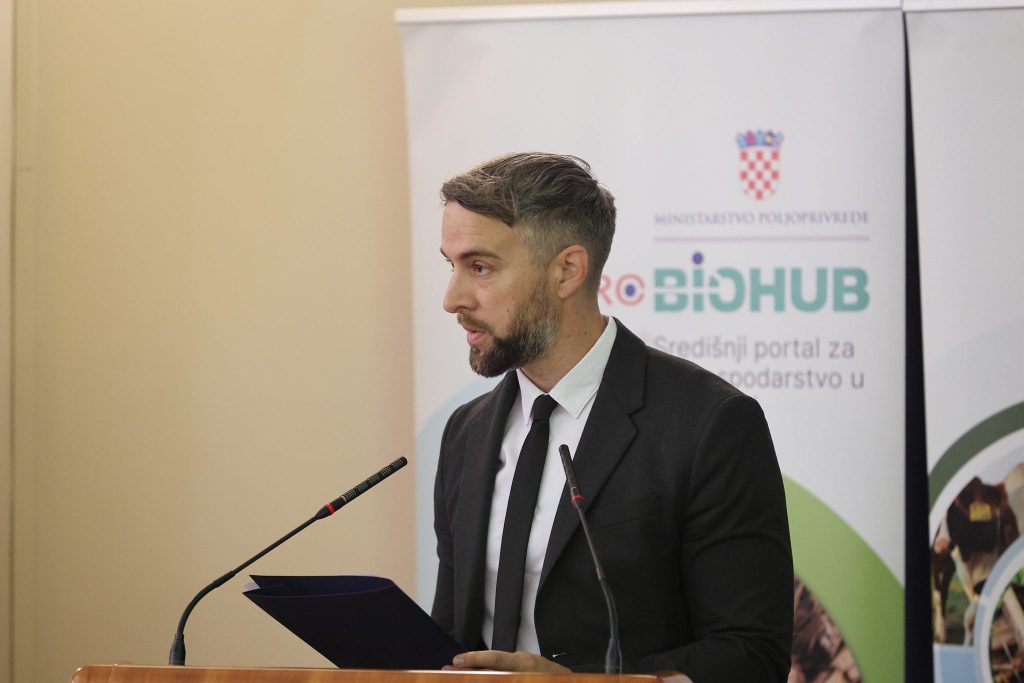
Josip Milić,Assistant Head of the Department for EU Funds of the City of Zadar, also addressed the conference participants, noting that the BIOEAST Initiative provides a valuable platform for exchanging knowledge, experience, and best practices in the field of bioeconomy. “On behalf of Mayor Šime Erlić, I would like to emphasize that Zadar is extremely proud to host this conference, which brings together innovators, policymakers, and experts from various fields. The growing importance of the bioeconomy is key to shaping a sustainable future, and partnership within the BIOEAST Initiative further strengthens our joint contribution to these goals,” Milić stressed.
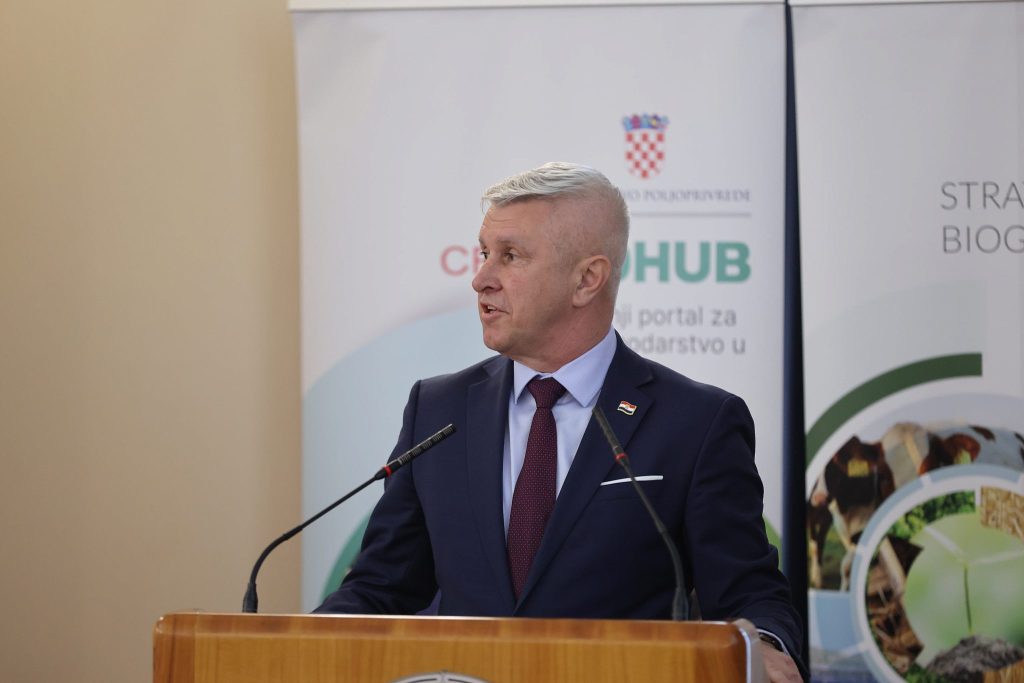
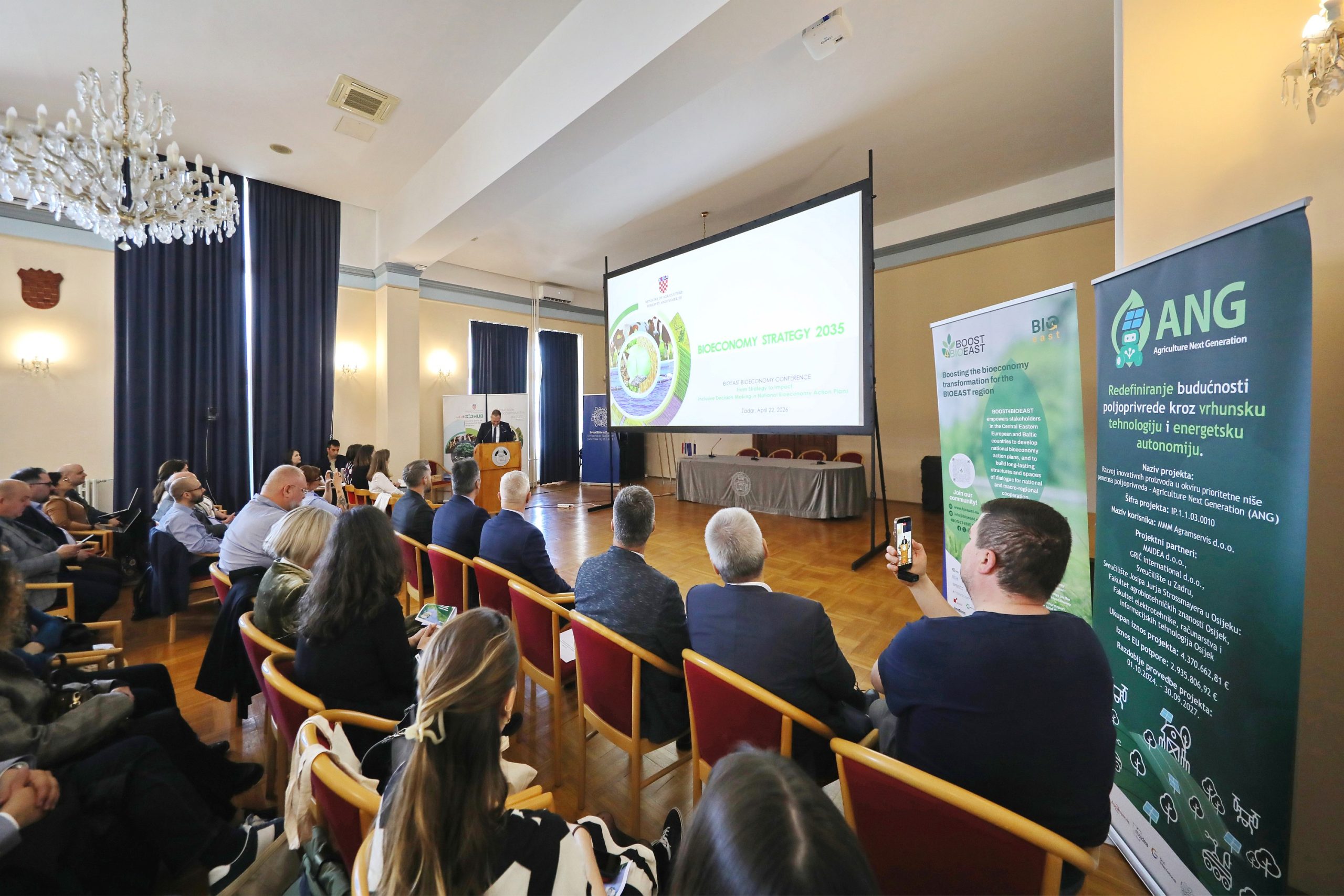
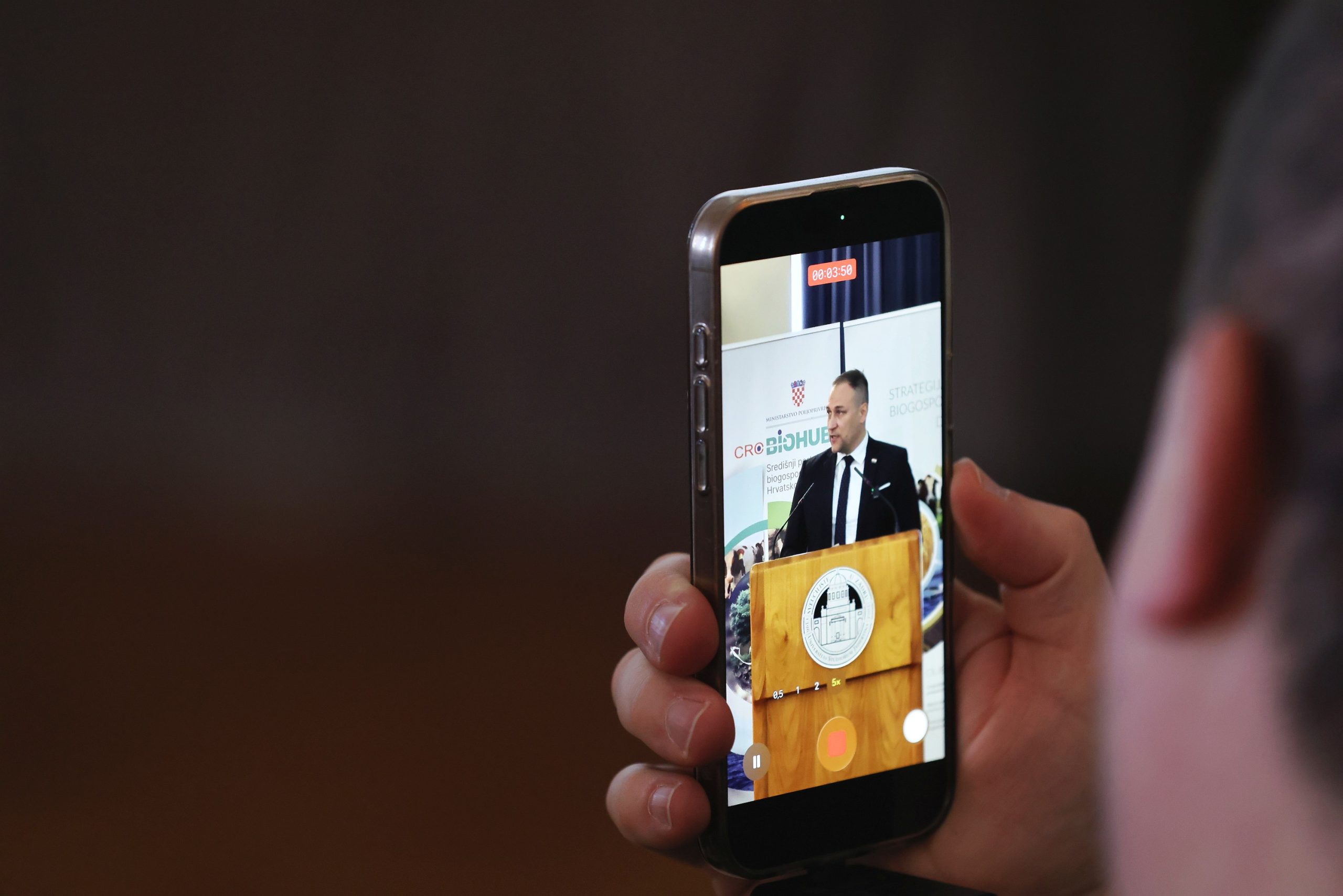
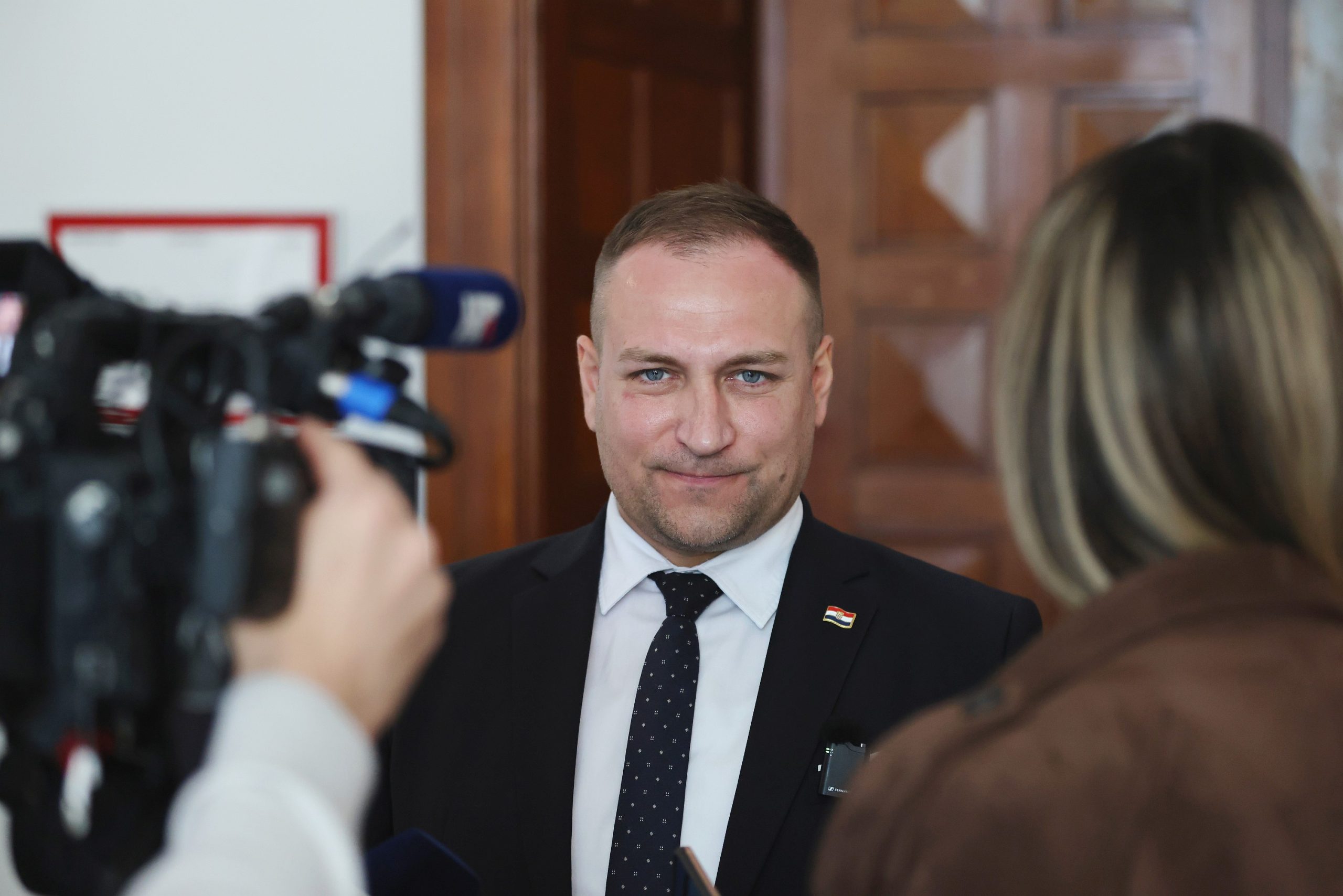
As part of the conference program,Tugomir Majdak, State Secretary at the Ministry of Agriculture, Forestry and Fisheries, presented the Bioeconomy Strategy 2035. He pointed out that the bioeconomy is specifically integrated into several national strategic and programming documents, including the National Development Strategy until 2030. He particularly referred to the Bioeconomy Strategy up to 2035, the draft of which was adopted by the Government of the Republic of Croatia earlier this year, emphasizing that the Strategy defines two strategic objectives: the development of sustainable production and raw material markets in the bioeconomy, and increasing added value in the Croatian bioeconomy. “Our vision for the bioeconomy in Croatia is focused on its rapid development as a dynamic and diverse economic activity that significantly contributes to the overall economy of the Republic of Croatia and its sustainability. It holds particular importance for rural areas, while also contributing to reducing Croatia’s dependence on non-renewable raw material sources,” State Secretary Majdak emphasized.

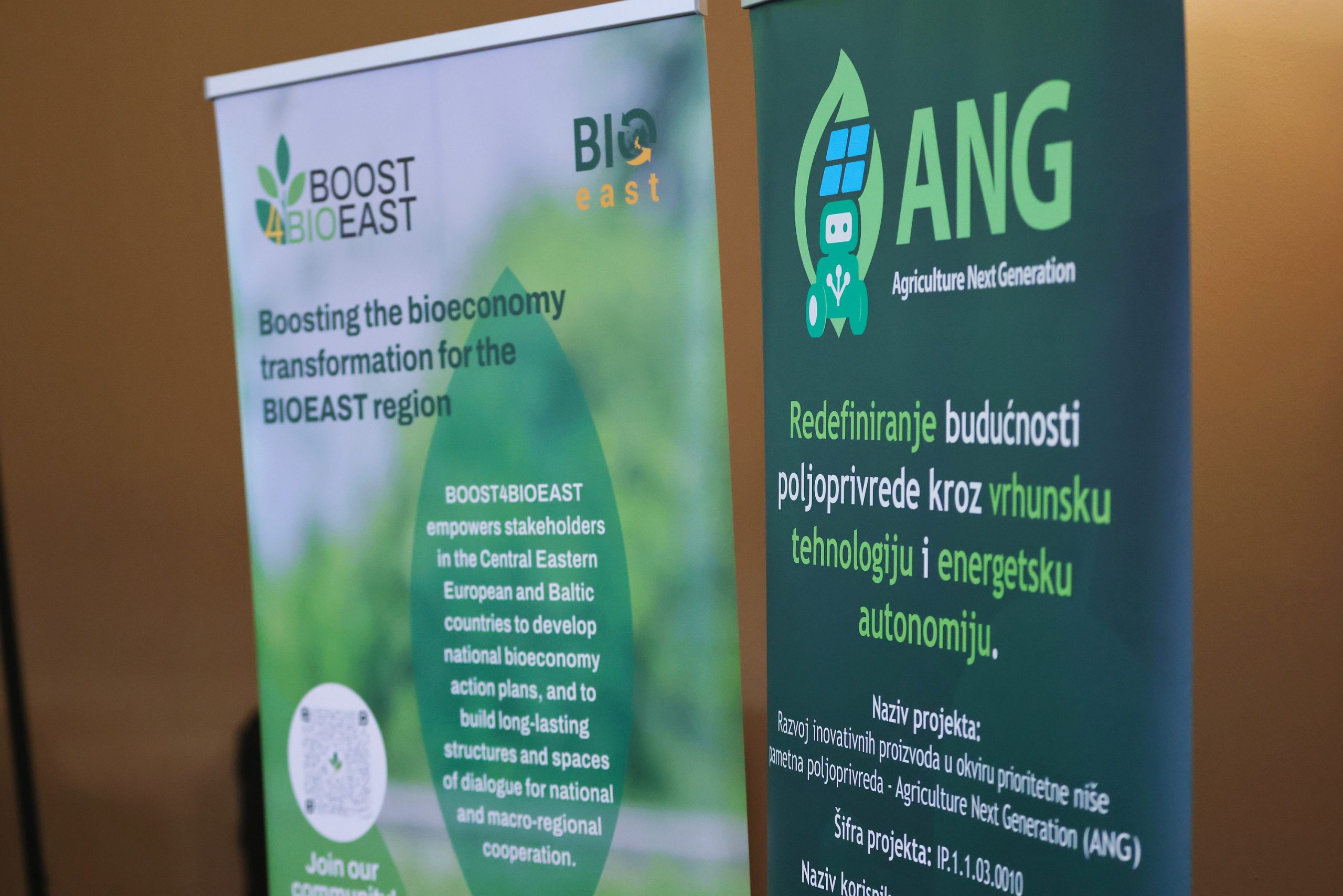
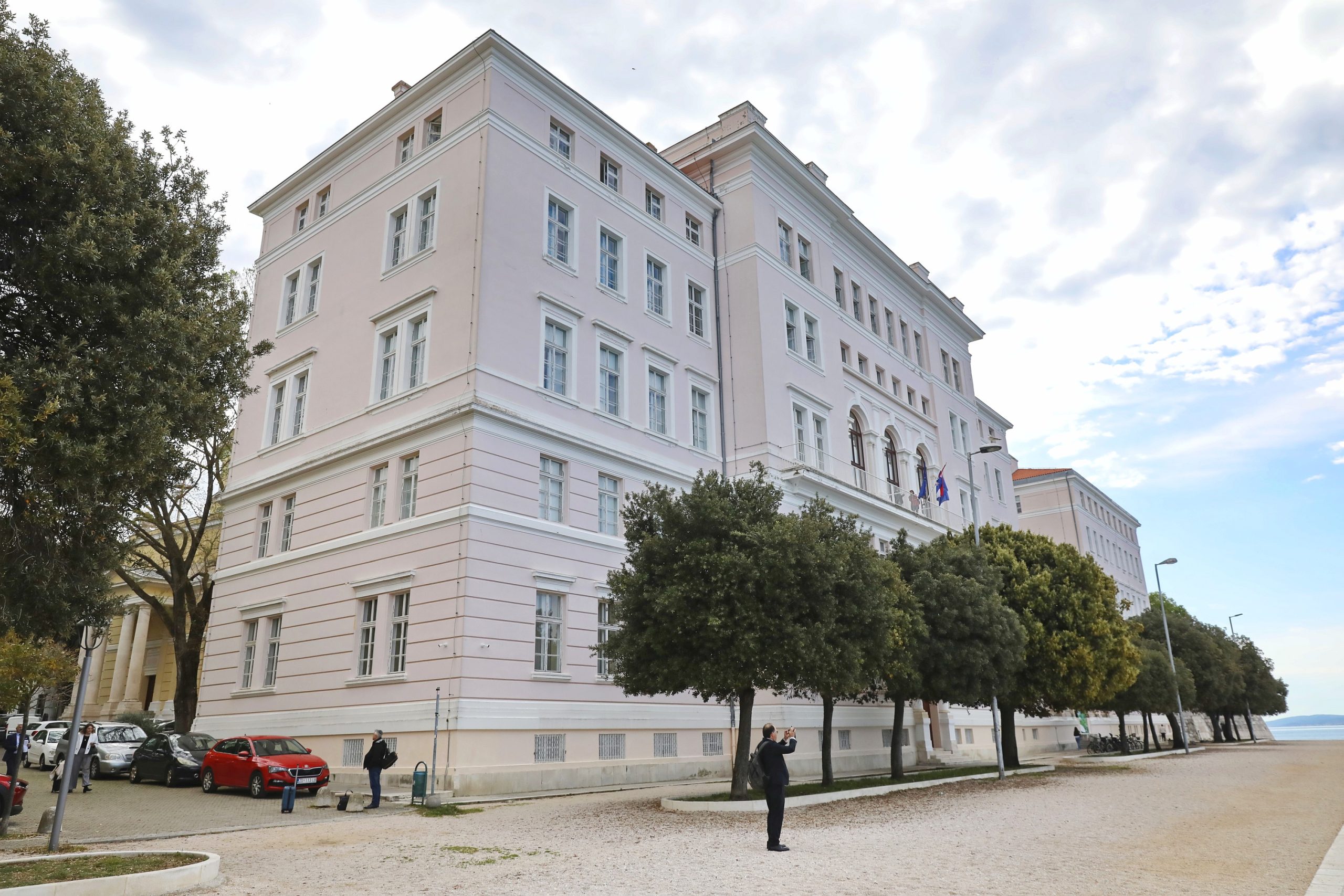
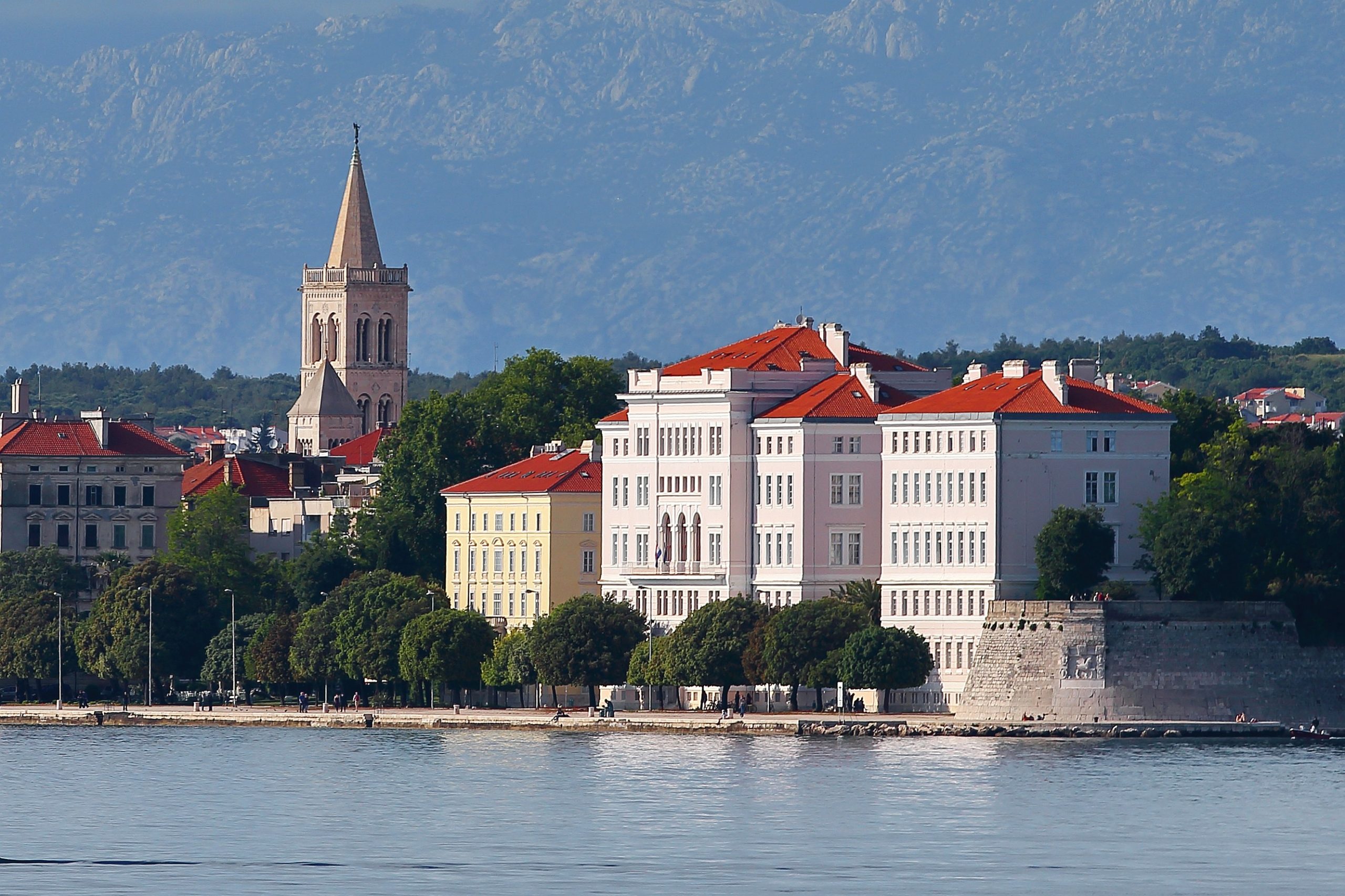
The conference also featured panel discussions and interactive workshops with stakeholders from the public, scientific, and business sectors, as well as presentations of innovative solutions and projects from the BIOEAST region.
Photo: Boris Kačan