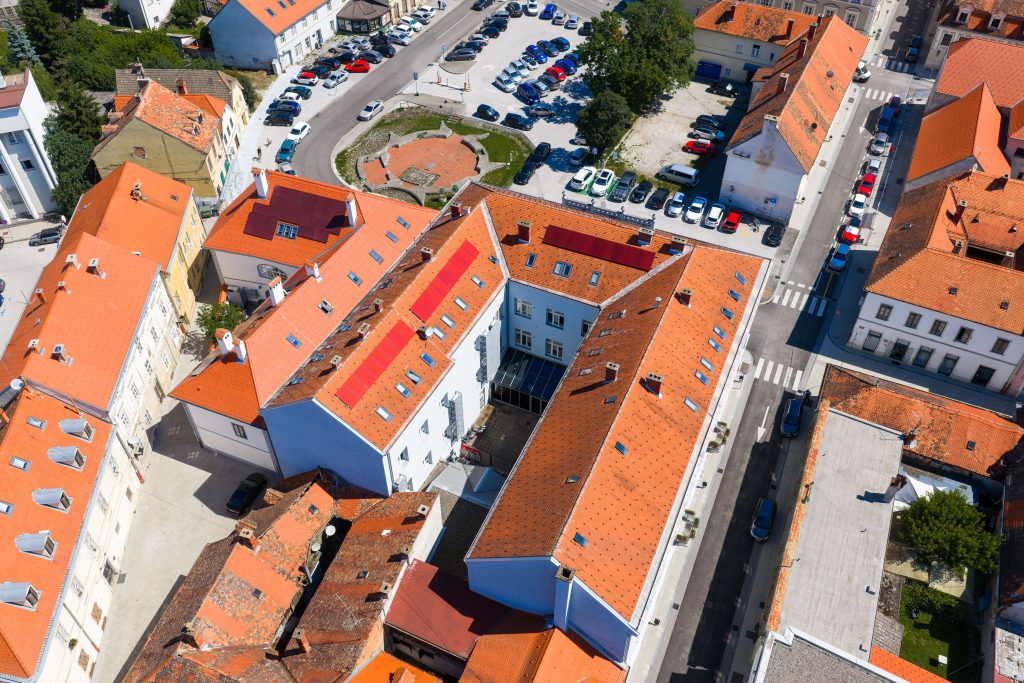
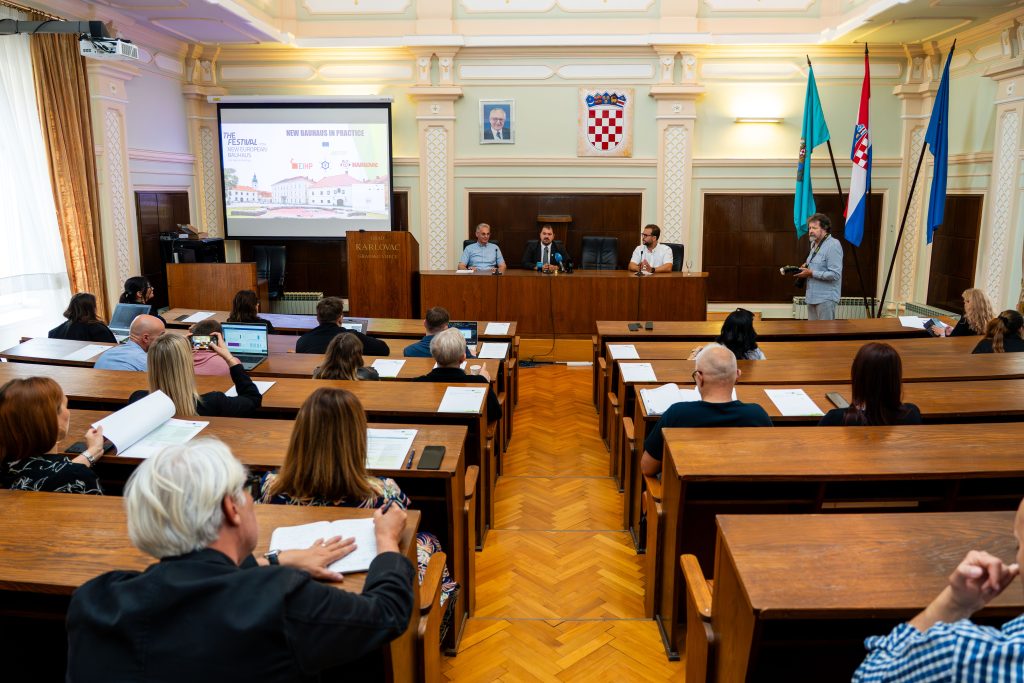
The final conference of the ZEB4ZEN (Zero Energy Building for Zero Energy Neighborhood) project was held in Karlovac on June 10th as part of a satellite event of the festival New European Bauhaus (NEB).
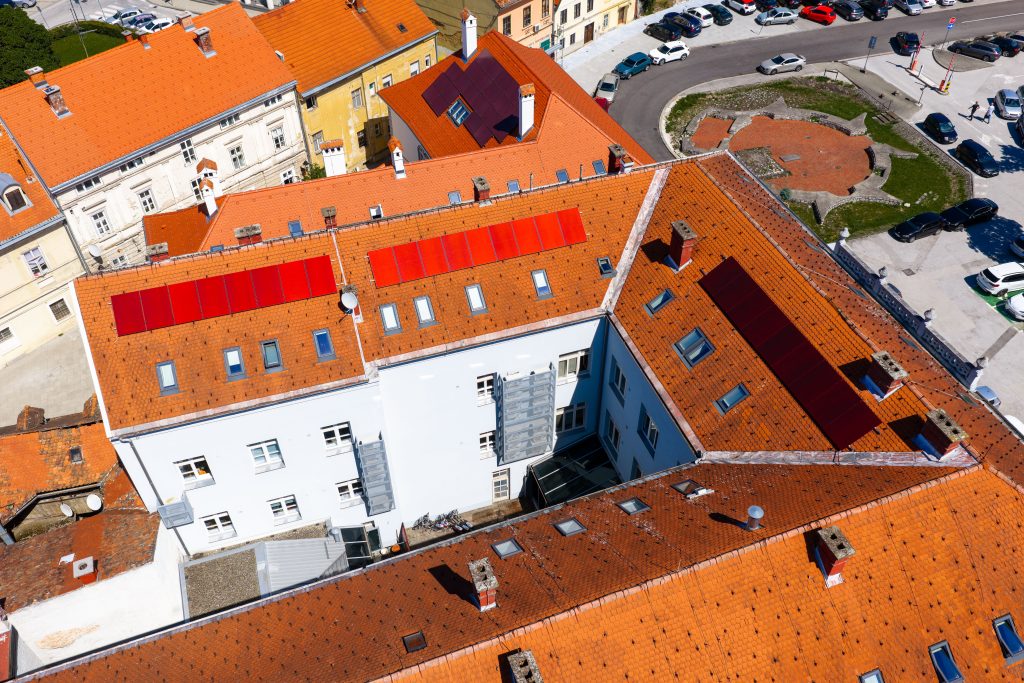
The project focuses on developing models for the green and energy-efficient renovation of historic urban districts while preserving their cultural, architectural, and urban values. It brings together three European cities with distinctive Renaissance, star-shaped historic centres – Karlovac, Zamość, and Palmanova – to demonstrate that the energy transition can begin precisely in historic city centres. For Karlovac, this means exploring ways to make its historic core more energy-efficient, sustainable, and future-ready, while safeguarding its unique identity.
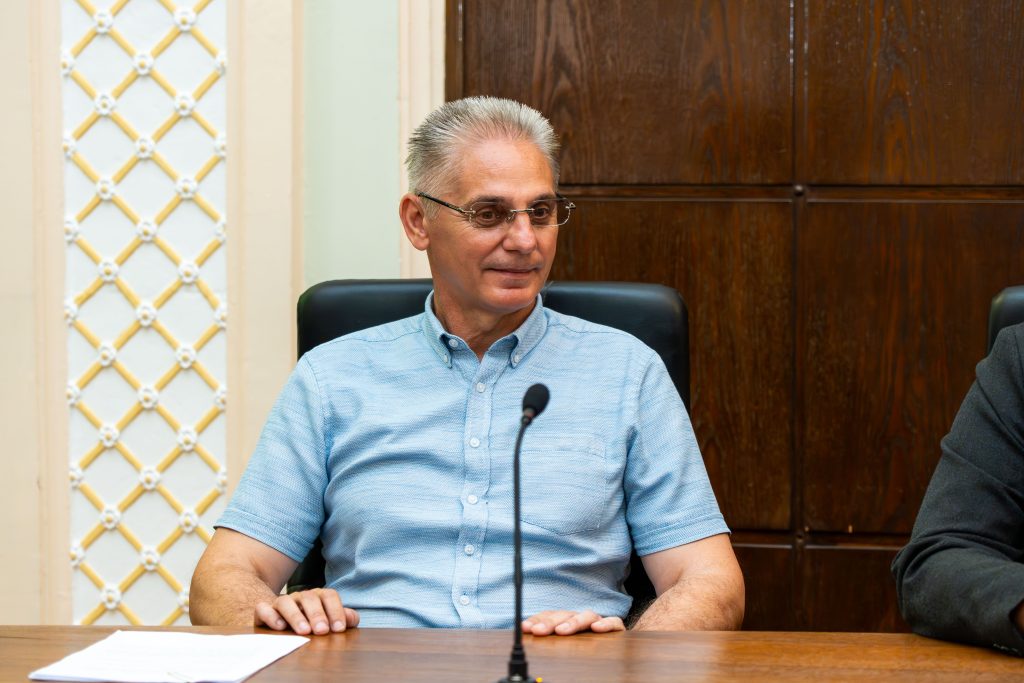
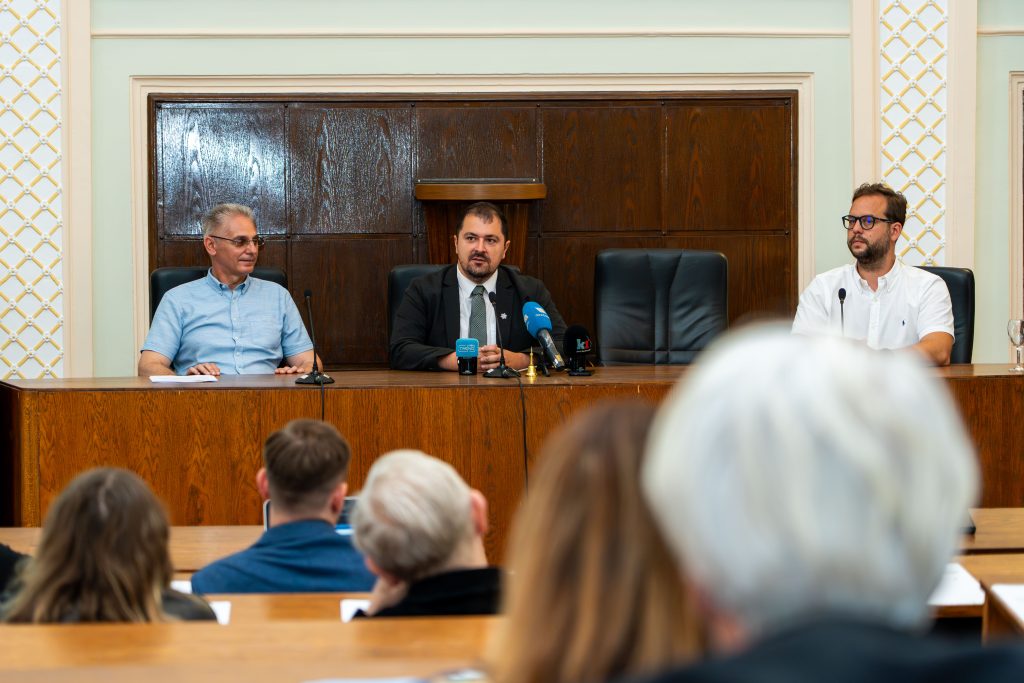
Robert Vodopić, Head of the Administrative Department for Economy, Agriculture and EU Funds, emphasised that the project connects two seemingly opposing concepts – the modern and the traditional. "Our goal is to develop a methodology for the energy renovation of entire neighbourhoods, rather than addressing buildings one by one, and to define action plans for transforming urban districts into nearly zero-energy neighbourhoods by 2050," said Vodopić.
A particular strength of the project lies in its view of energy renovation not merely as a technical intervention, but also as an issue concerning our relationship with space, heritage, and life in historic urban areas. For this reason, ZEB4ZEN seeks solutions that integrate energy efficiency, digital tools, innovative technologies, and the preservation of cultural heritage.
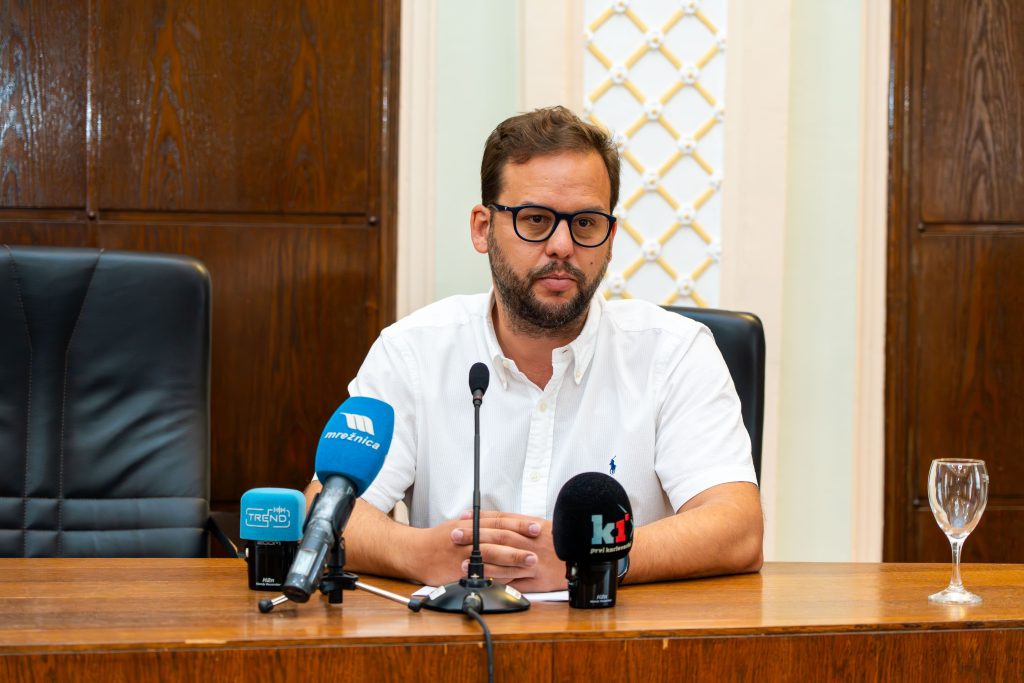
Matija Vajdić from EIHP, the ZEB4ZEN Project manager, highlighted that the project brings together international institutions, partners, and three cities whose histories are closely linked to Renaissance, star-shaped urban structures. "We wanted to demonstrate that virtual reality and digital technologies can provide an elegant way to communicate the energy transformation of our historic city centres through three examples: Zamość, Palmanova, and Karlovac," Vajdić pointed out.
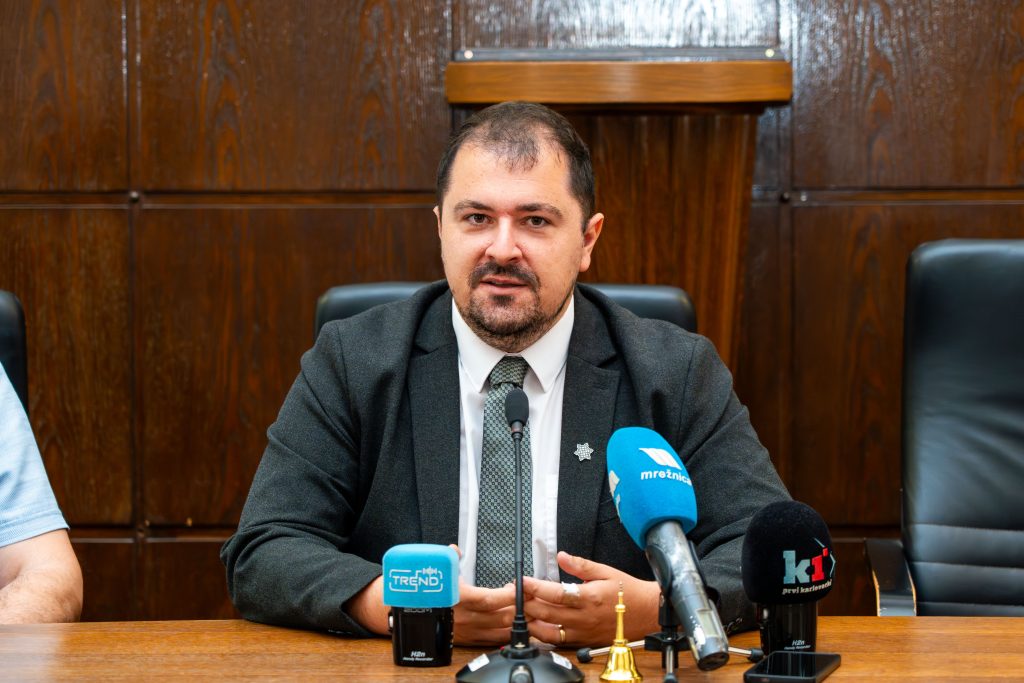
On behalf of the City of Karlovac, conference participants were welcomed by the President of the City Council, Mario Jovković, who stressed that the City supports projects that deliver smart, green, and long-term solutions. "I am pleased that the City of Karlovac is a partner in a number of smart and green projects. This project also carries a long-term vision – reducing CO₂ emissions and overall energy consumption by 2050. This is certainly a direction we wholeheartedly support," said Jovković.
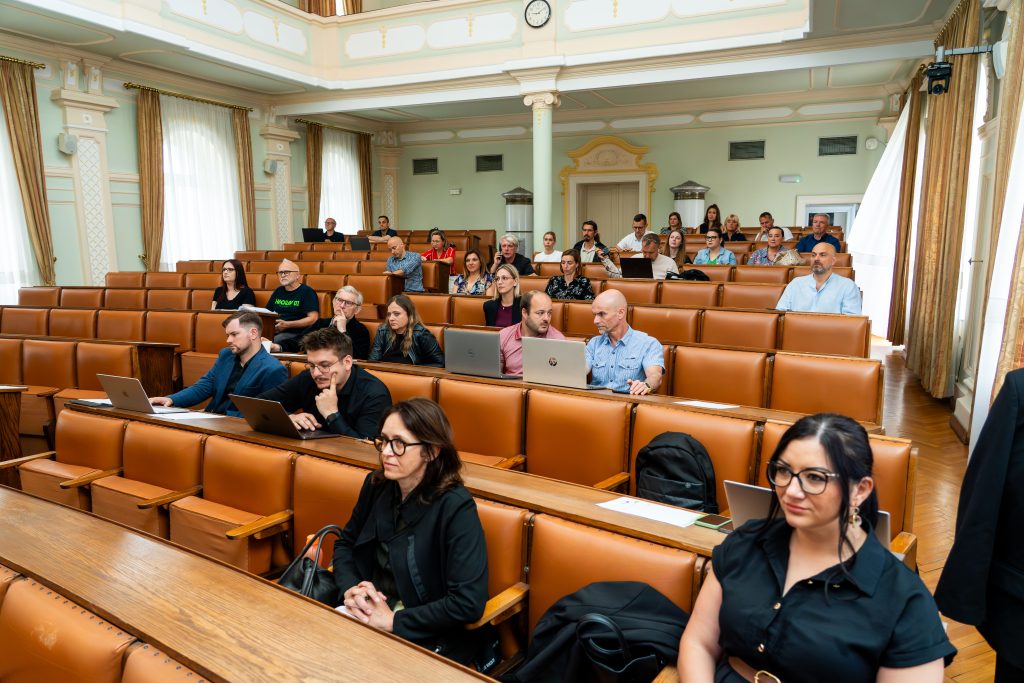
The conference showcased the project's results and the potential applications of digital and energy-related tools in the regeneration of historic urban spaces. Guests from Germany, Italy, and Poland also participated, further highlighting the project's international dimension. For Karlovac, the ZEB4ZEN project represents an important contribution to shaping the future of Zvijezda: exploring how to renovate it in an energy-efficient and sustainable manner while preserving its historical value, recognisable character, and spirit of place.
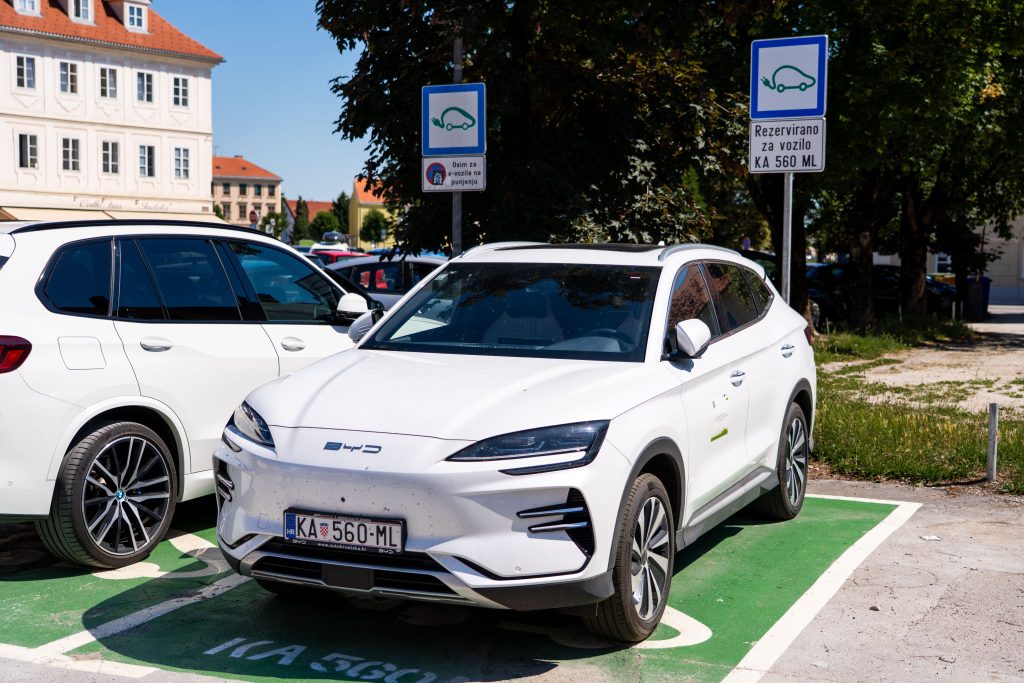
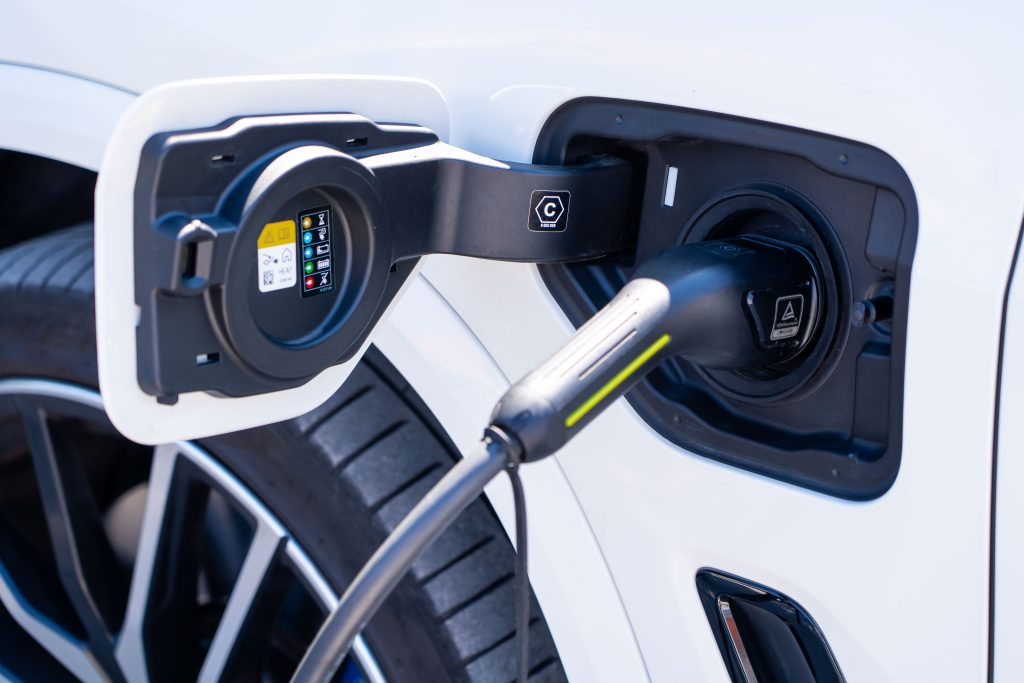
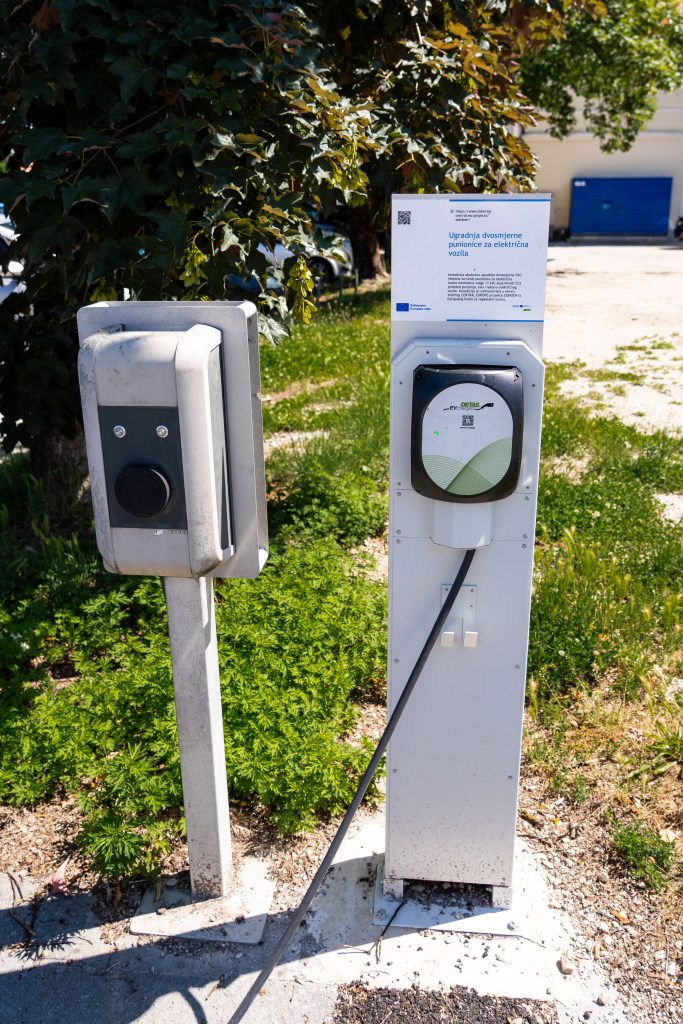
The ZEB4ZEN project is led by the Energy Institute Hrvoje Požar, while the City of Karlovac is one of the project partners. The project is being implemented from 1 April 2023 to 30 September 2026 within the framework of the Interreg Central Europe 2021–2027 Programme. The total value of the project amounts to EUR 2,041,496.
Source/Photo: City of Karlovac