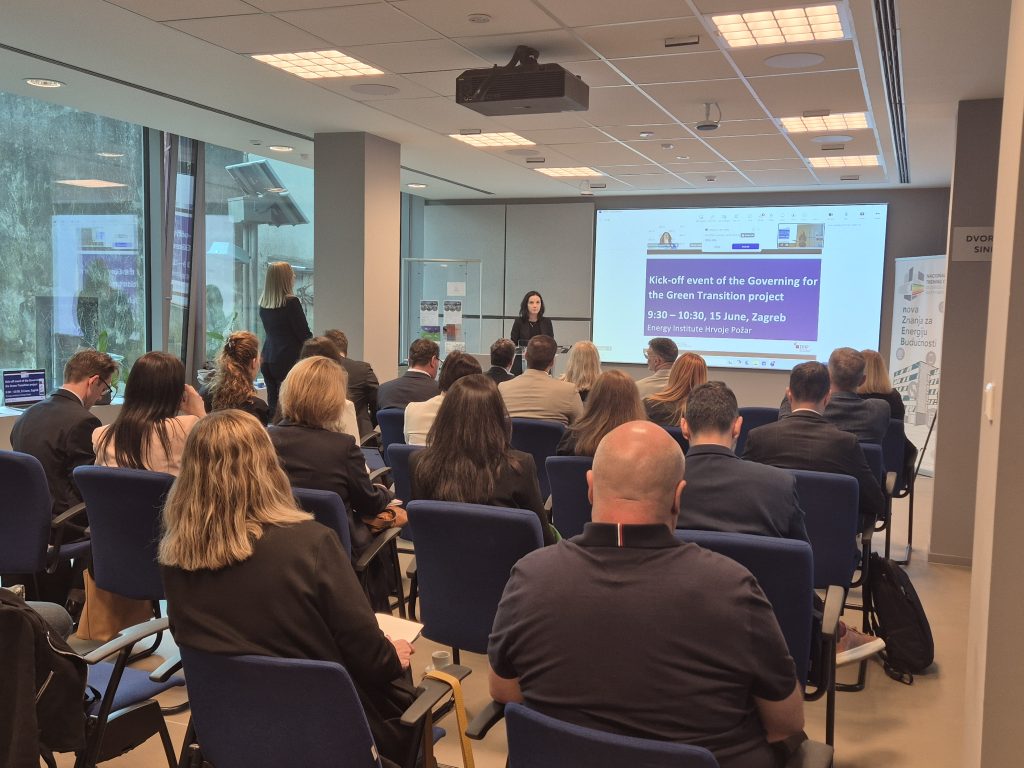
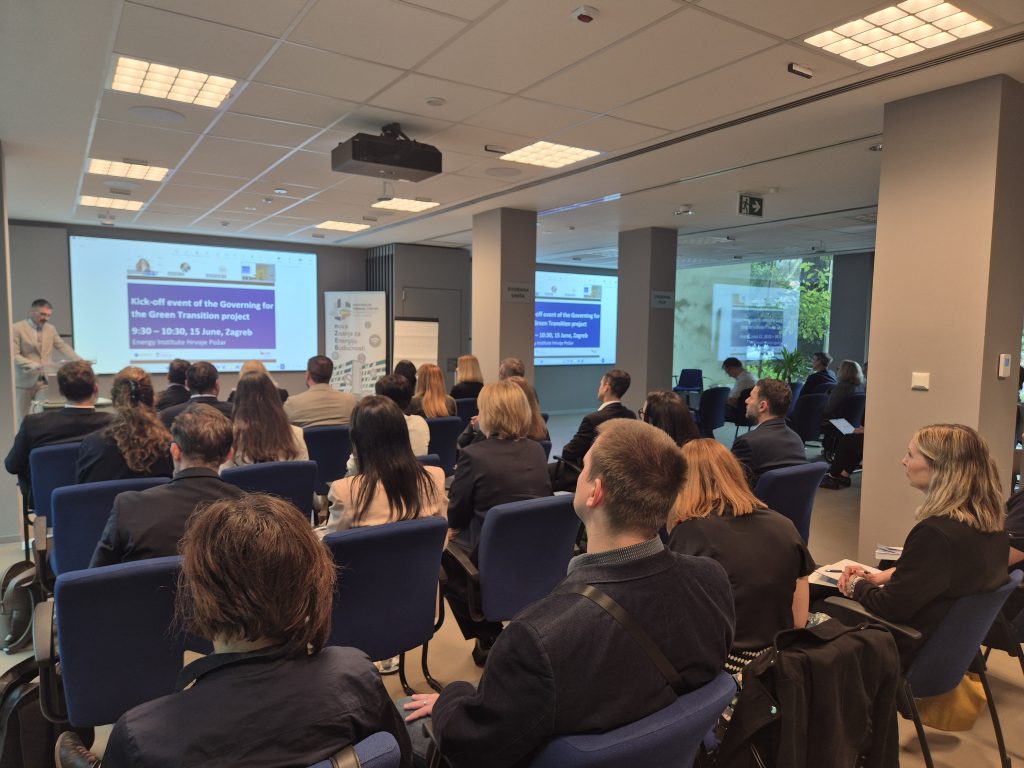
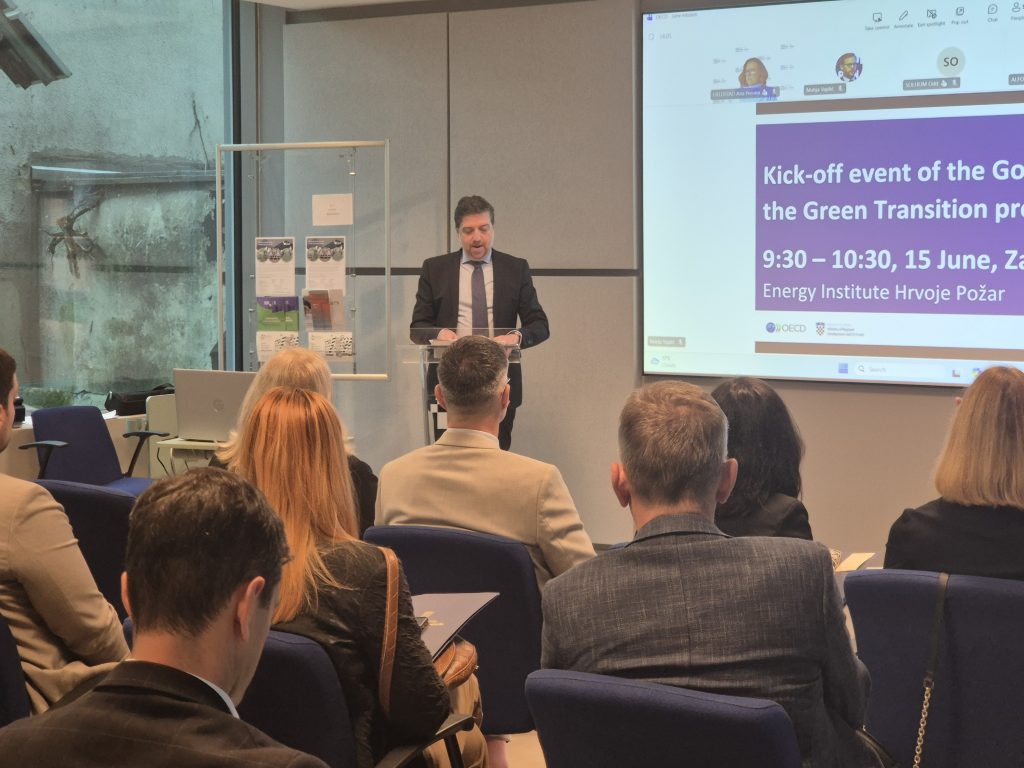
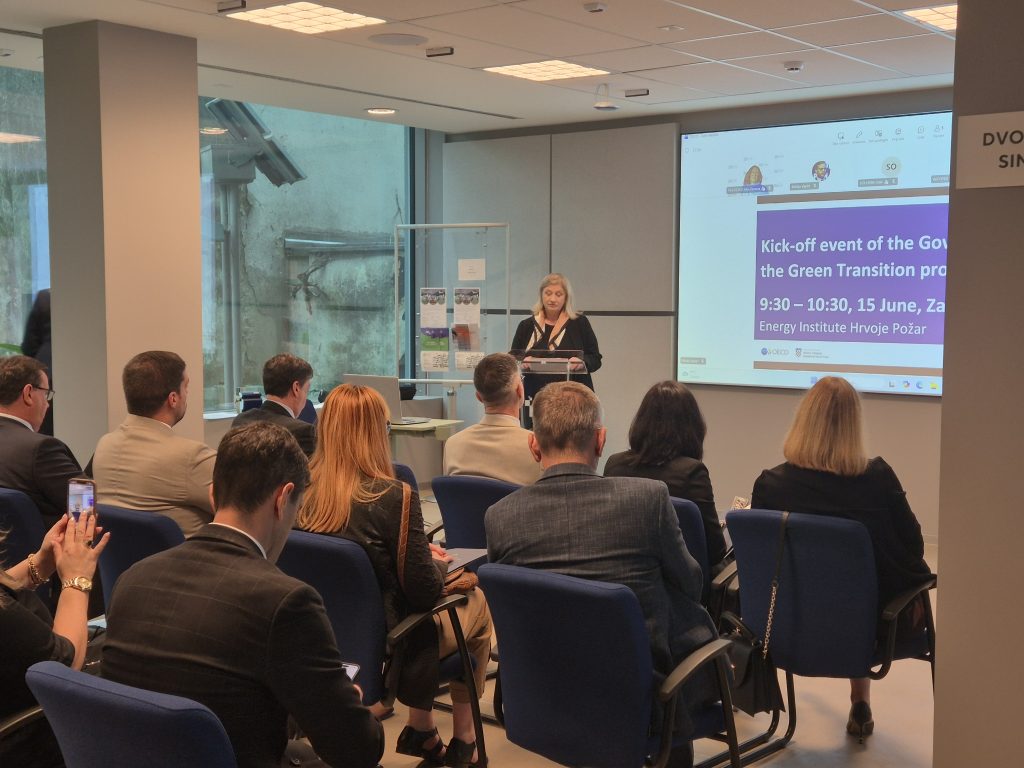
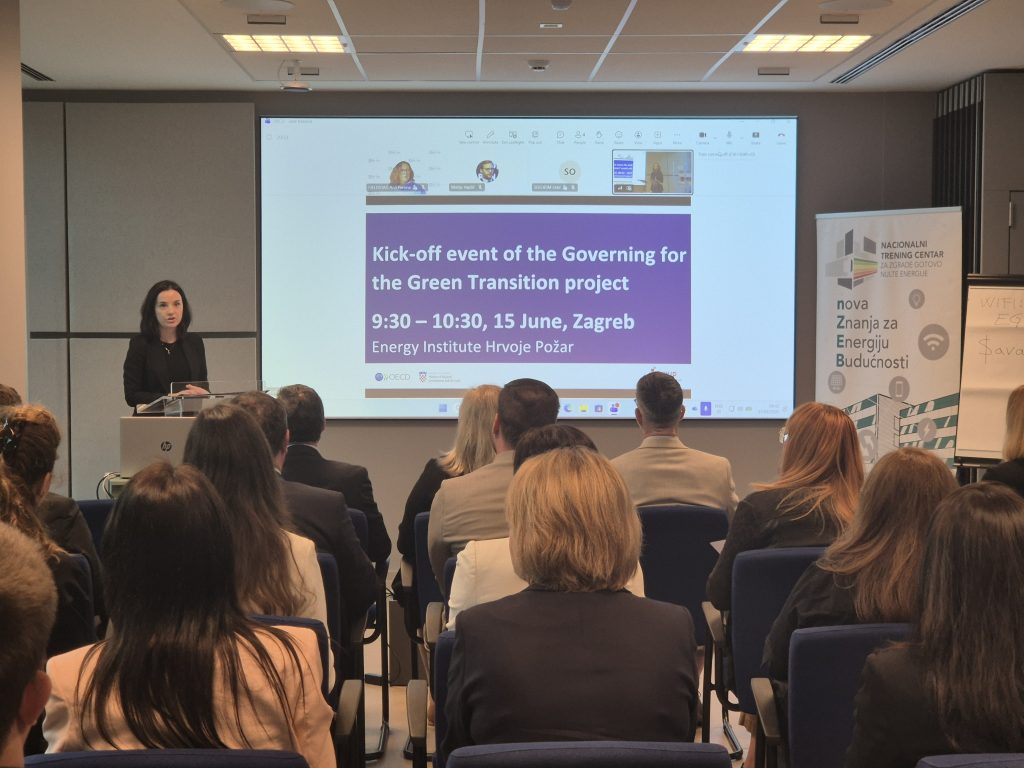
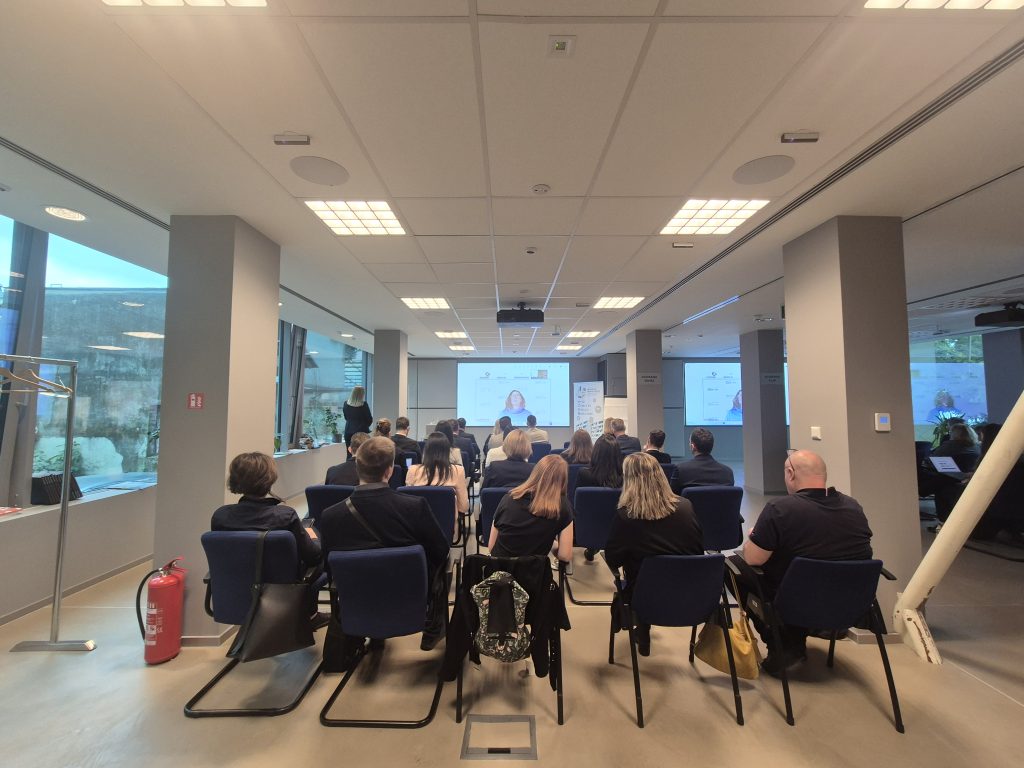
The Energy Institute Hrvoje Požar (EIHP) hosted representatives of the OECD and relevant national authorities and officially presented the predefined project “Governing for the Green Transition.”
The opening remarks were delivered by Dražen Jakšić, Director of EIHP; Marija Vučković, Minister of Environmental Protection and Green Transition; Stella Arneri, Director of the Directorate for European Territorial Cooperation at the Ministry of Regional Development and EU Funds; Paulo Magina, Head of the Infrastructure and Public Procurement Division at the OECD; and Ana Perona Fjelstad from the Financial Mechanism Office (European Economic Area Financial Mechanism and Norwegian Financial Mechanism).
About the project:
The project "Governing for the Green Transition" is implemented within the framework of the "Green Transition" program, financed by the EEA Financial Mechanism and the Norwegian Financial Mechanism for the period 2021-2028.
As part of the first phase, an OECD mission commenced on 15 June at EIHP and will continue until 18 June. Through interviews and discussions with a wide range of relevant stakeholders, the mission aims to identify the actual needs of Croatian institutions to be addressed during the second phase, namely the project's implementation phase.
The second phase will focus on developing practical tools, guidelines, and procedures to support more effective planning and implementation of green transition policies. The project will include developing methodological frameworks for budgetary and strategic planning, strengthening systems for monitoring the implementation of measures, and enhancing interinstitutional cooperation. Training sessions and workshops will further strengthen civil servants' capacity to apply new approaches and tools.
Particular emphasis is placed on cooperation with the OECD, which will provide expert support, facilitate knowledge transfer, and share examples of international best practices. The implementation of the project is expected to improve coordination among relevant institutions, align public budgets with strategic objectives, and strengthen the public sector’s capacity to implement energy and climate policies.
Current status of the project:
Coordination meetings and consultations with OECD representatives, relevant national institutions, and other stakeholders are currently underway as part of the first phase, while preparations for the second phase – the project's implementation phase – are underway simultaneously. Activities carried out to date have focused on assessing existing institutional mechanisms, coordination processes, and governance practices related to the green transition, including budgetary and strategic planning, investment management, and policy implementation.
During 2026, the OECD, in cooperation with Croatian institutions, will conduct surveys and organise coordination and analytical meetings to collect data, exchange experiences, and formulate recommendations for the further development of Croatia’s green transition governance framework. At the same time, the content of the second phase of the project is being further elaborated, including the identification of priority areas for support, the framework for future activities, and potential project and associated partners, in accordance with their mandates and potential contributions to project implementation.
The final scope of activities, institutional roles, and cooperation models will be defined in the upcoming stages of project preparation and through continued consultations with the OECD, the Programme Operator, and other relevant stakeholders. The launch of the project implementation phase is tentatively scheduled for the first quarter of 2027.