In addition to all the challenges that states and citizens have faced in the last two years, energy poverty is becoming a bigger and bigger problem in Croatia and Europe. This was highlighted at the National Conference on Energy Poverty, organized by the Society for Designing Sustainable Development (DOOR), on Friday, June 2, at the Press House in Zagreb. Eminent experts from the energy sector, various ministries, the public sector and non-governmental organizations participated in the conference.
Although there is no official definition yet, energy poverty occurs when a household cannot ensure the minimum level of energy consumption necessary to meet basic needs and participate effectively in society. And there are more and more such households in Croatia every day.
Executive Director of DOOR Miljenka Kuhar pointed out that the causes of energy poverty cannot be viewed exclusively through the triad "low income - poor energy efficiency - high expenses", which is traditionally considered to set the context for solving energy poverty. "The drivers of energy poverty are more structural and deeply rooted and include the current economic, social policy, employment policy, energy policy, tax system, social welfare system, housing and health policies", noted Kuhar and warned that the latest research shows that almost 47 percent of citizens live in households that cannot meet an unexpected financial expense.
In addition, Kuhar presented programs in the period 2021-2027 that directly and indirectly impact the reduction of energy poverty. She also pointed out that in the coming period, DOOR wants to map energy poverty at the national level, collect nationally relevant data, create an energy poverty index, strengthen the role of the center for energy poverty, and encourage the relevant ministries to adopt a tool for data collection and to create a monitoring system for monitoring saving.
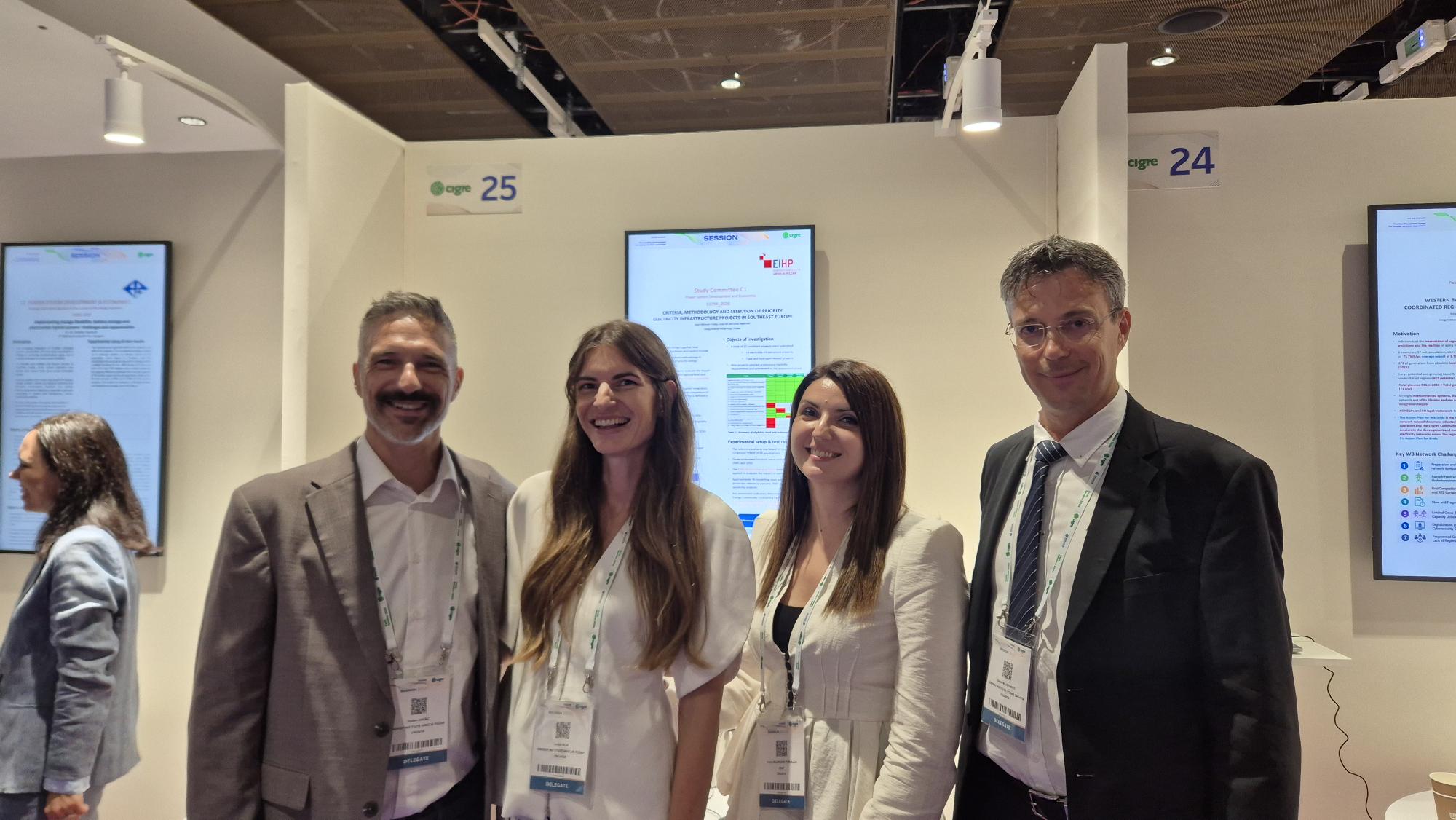
Two panel discussions were held at the conference. The first was on the topic "Does energy renewal solve energy poverty?" attended by Marija Kelava from the Ministry of Physical Planning, Construction and State Assets, Marija Džaja from the Fund for Environmental Protection and Energy Efficiency and Vesna Bukarica from the Energy Institute Hrvoje Požar.

They discussed current public calls on energy renovation and how citizens could be encouraged to independently start energy renovating their family houses or multi-apartment buildings regardless of public calls and co-financing. It was concluded that educating citizens is extremely important to show them the benefits of energy renewal. In addition, every positive example can encourage citizens to get involved.
In the second panel Katica Lažeta from the Minister of Labour, Pension System, Family and Social Policy, Hrvoje Vindakijević from the Ombudsman's Office, Ivana Pavić Šimetin from the Croatian Institute for Public Health and Aleksandar Džakula from the "Dr. Andrija Štampar" discussed on the topic "Powerty and Woman".
It was pointed out several times on the panel that the most significant risk of poverty in general, including energy poverty, have older people, especially women, and then single mothers and single people, that is, single-member households.
Both panels produced numerous conclusions, but the most important one is that energy poverty will not disappear by itself, neither with an increase in income nor with energy renovation, but a systematic solution to this problem is necessary.
The ENPOR project was presented at the conference. These are measures to alleviate energy poverty in the private rental sector, and the goal is to draw attention to it, taking into account the needs of landlords and tenants and including them in a broader political context. Likewise, the EmpowerMed project was presented - Empowering women to act against energy poverty in the Mediterranean, which aims to contribute to ending energy poverty in the Mediterranean.